
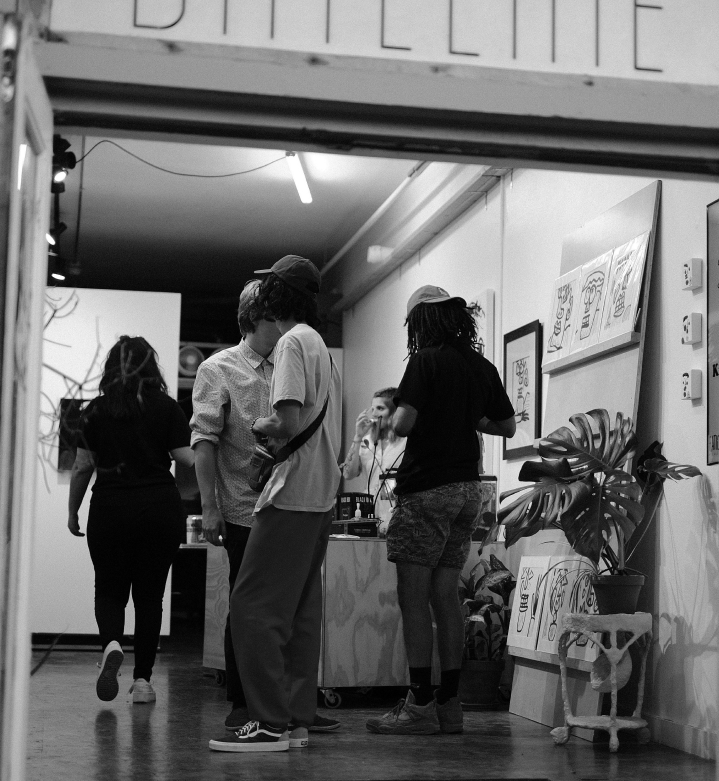
Photo: Dillon-Wanner, Denver, United States
The Law
The Colorado Artist Companies Act (Senate Bill 26-133) creates a new type of business entity designed specifically for creative people. Here’s where it came from and what it does.
Why a new business structure?
Today’s business structures — LLCs, S-Corps, C-Corps — weren’t built for creative work. Artists lose control of their catalogs, take investment that overrides their vision, or watch their work go to creditors when a company folds. Most of what the A-Corp offers is technically possible today — with the right lawyers and operating agreements. But that costs money and knowledge most artists don’t have. The A-Corp makes these protections standard.
This has happened beforeNew business structures emerge when existing ones don’t fit how people actually work. Each time, a small legal change unlocked a massive shift.
Co-operatives
Took what was possible through lengthy, custom operating agreements — shared ownership, democratic control, equitable distribution — and made it a standard form anyone could use. Sound familiar?
Public Benefit Corporations
Created a new lane for companies that wanted to pursue social goals alongside profit — without the legal risk of violating shareholder duties. One statutory change let thousands of companies operate differently.
What the law creates
The Colorado Artist Companies Act creates a new kind of limited liability company built specifically for artists and creative work. Here’s what it guarantees:
Artists must own at least 51% of all voting power at all times. This is locked into the statute and cannot be changed by an operating agreement. The people making the art always control the company.
Every A-Corp has a stated artistic mission in its founding documents. The company can specify that the mission has primacy over financial objectives, that they're equal, or define its own balance. The mission has legal weight.
Artistic work contributed to an A-Corp is protected by reversionary rights. If the company dissolves, the work returns to the artists who made it. Non-artist investors can participate economically without owning or controlling the creative work.
A-Corp Shares let collaborators, supporters, and investors participate in the value of the work while artists keep voting control and creative authority.
The A-Corp creates a new type of ownership unit — the A-Corp Share. A-Corp Shares can be issued to artists in exchange for their creative contributions, and be structured as fractional units that let collaborators share in the upside of work they helped create. Plus an artist's creative work is recognized as a capital contribution with real value, not just sweat equity.
In early 2027, you’ll be able to create your own Artist Corporation in Colorado. We will provide easy to use forms and an understandable process to help you get started.
The Bill
The Colorado Artist Companies Act was signed into law in June 2026. The first Artist Corporations will be able to be formed in early 2027.
Read the Annotated Act
Read the full text of the Colorado Artist Companies Act (SB 26-133) with plain-language annotations explaining what each section means.
Read the full act →Fiscal & Economic Impact Memo
An independent assessment by Henry Sobanet, former director of the Colorado Office of State Planning and Budgeting, finding minimal fiscal impact and meaningful upside for the state’s creative economy.
Read the memo →